Reviews / Shokz OpenSwim Pro review: very good open-ear headphones for triathlon, with clear but smart compromises
Shokz OpenSwim Pro review: very good open-ear headphones for triathlon, with clear but smart compromises
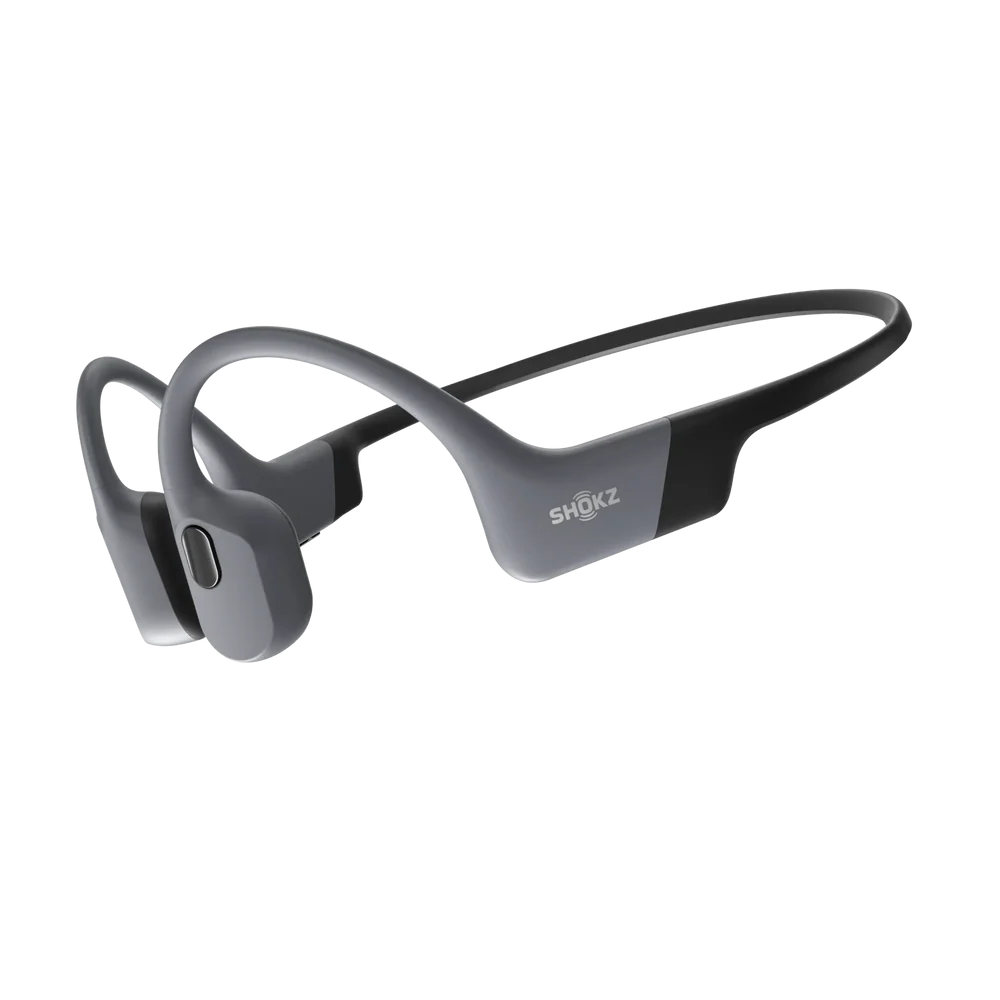
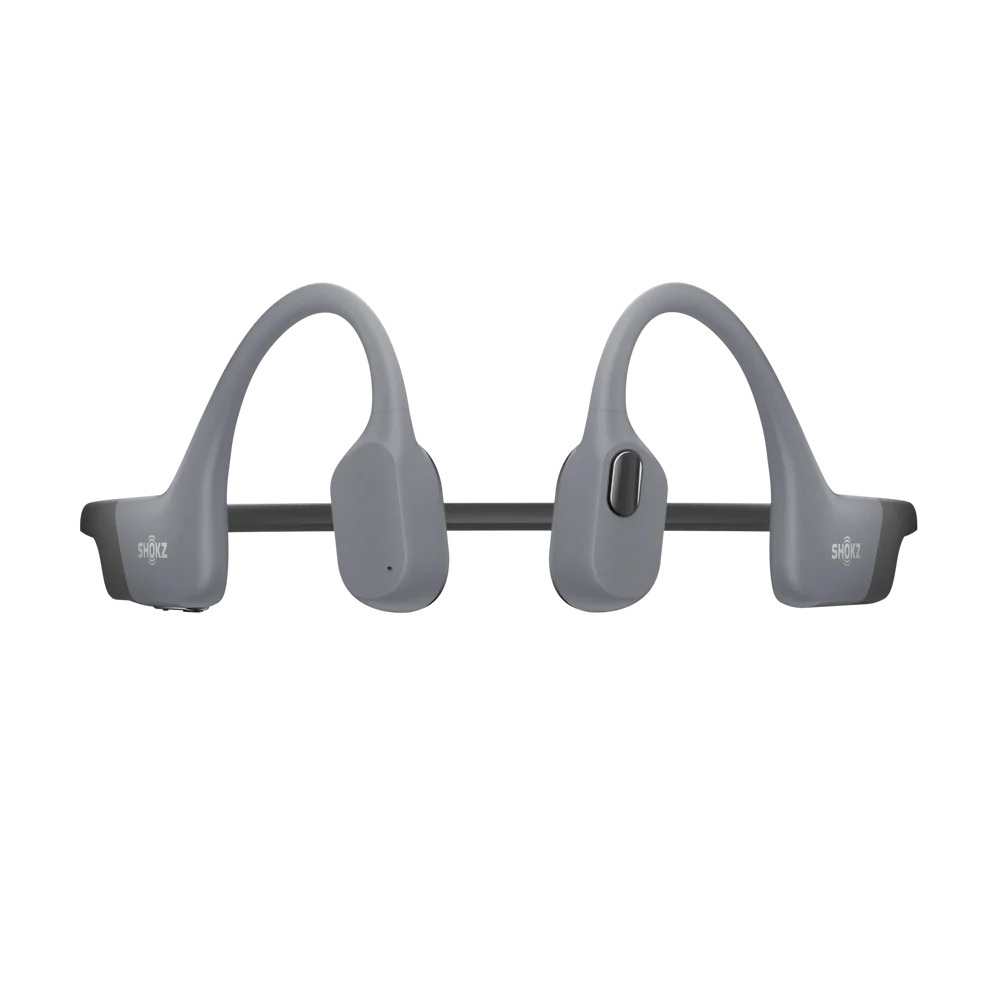
The Shokz OpenSwim Pro are open-ear bone conduction headphones with IP68, Bluetooth 5.4 and a 32GB built-in MP3 player. Their big advantage is versatility: you can use them for swimming, cycling and running – exactly the combination that matters to many triathletes. They are not perfect – transferring music to the internal memory only works via cable, and comfort can drop on longer sessions or under a swim cap – but as a compromise for sport and awareness of your surroundings, they are very strong.
Video (YouTube Shorts)
👍 Pros
- One of the biggest advantages: they work for swimming, cycling and running
- A very good fit for triathletes who want a single device for every discipline
- Open-ear design: on the bike and on the run you hear much more of what is happening around you
- On the run you can talk to training partners more easily without taking them off
- 32GB of internal memory – lots of space for music and playlists
- Bluetooth 5.4 for use on land + built-in MP3 for the water
- IP68 waterproof, clearly designed for use in water
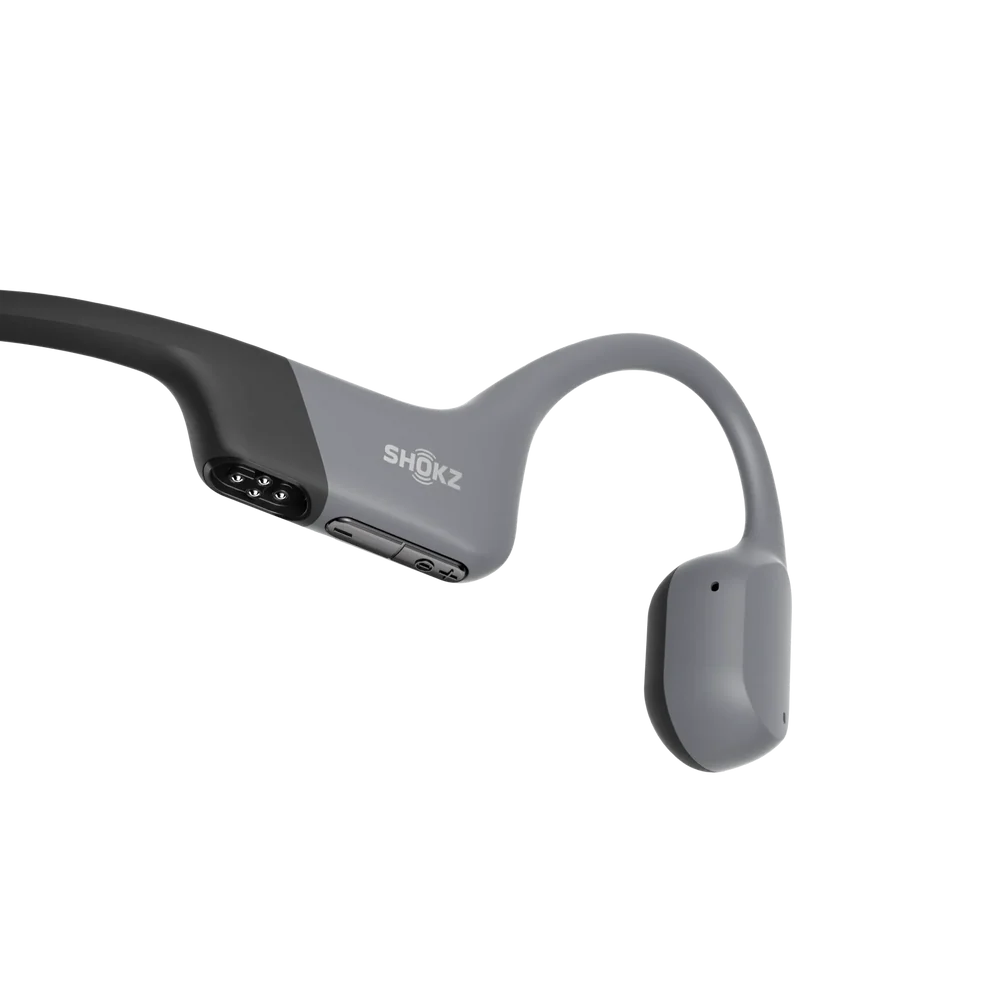
- Stable fit and physical buttons, good for sport
👎 Cons
- You cannot load music directly from the app; you have to connect them to a laptop or PC with a cable
- Under a swim cap they can become uncomfortable if the cap presses over your ears instead of sitting correctly above them
- After about an hour you may feel pressure on your jawbone and they can become uncomfortable
- Bluetooth does not work underwater, so in the water you rely on the internal memory
- Like any open-ear solution, they do not offer the isolation and audio immersion of classic headphones
Verdict
The Shokz OpenSwim Pro are the kind of product that makes the most sense if you look at your sport as a whole rather than discipline by discipline. For a triathlete or anyone who alternates swimming, running and cycling, the idea of having the same headphones everywhere is a very good one. The main advantage is not just the music, but the fact that your ears stay free and you keep your awareness of your surroundings – which really matters on the bike and on group runs. They are not perfect and they have clear compromises in comfort and in the music-transfer workflow, but overall I think they are one of the most interesting compromise solutions in this category.
Gallery
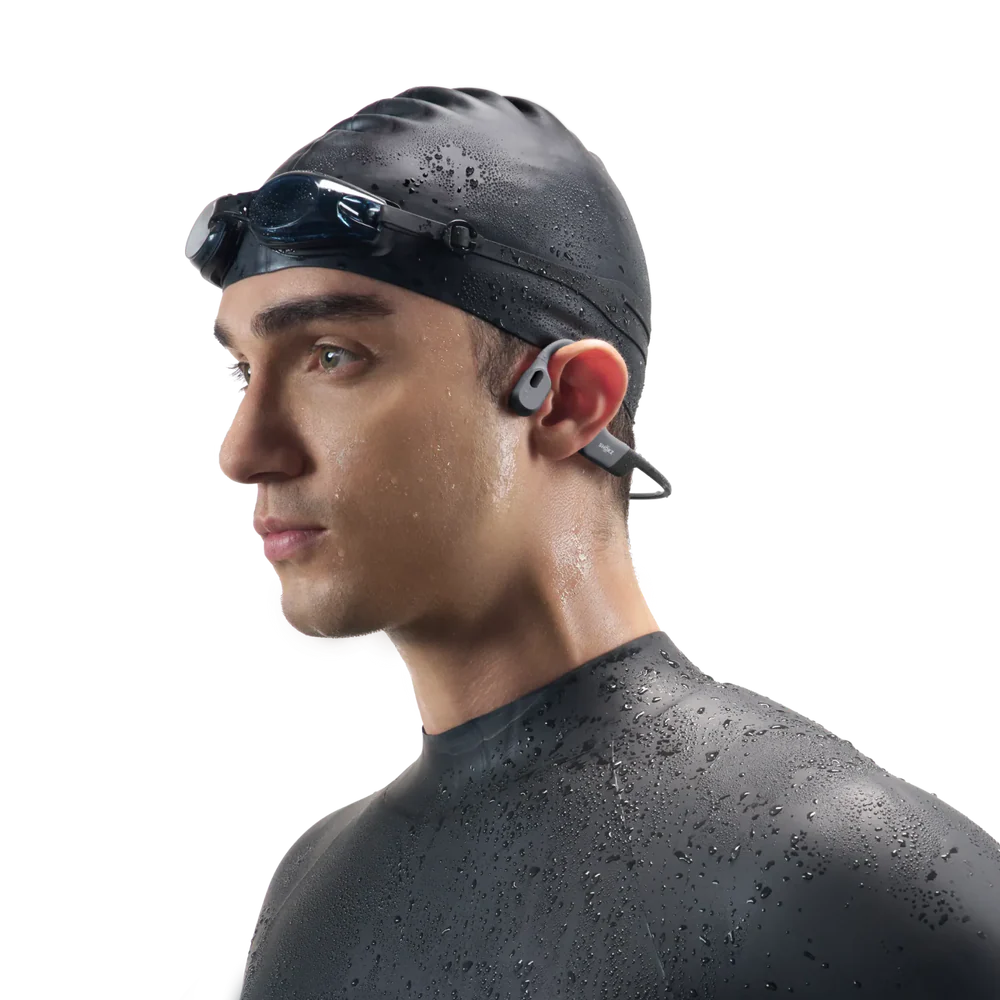
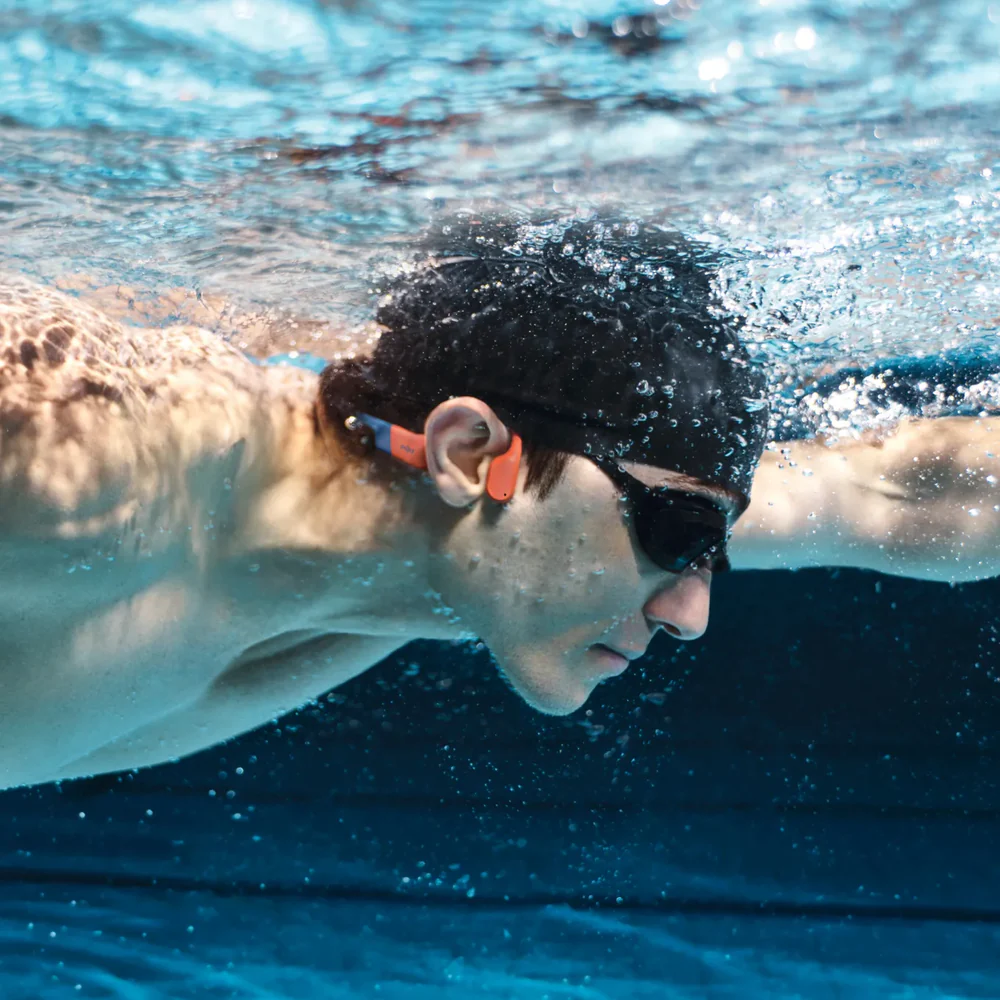
What the Shokz OpenSwim Pro are and why they are so interesting for triathlon
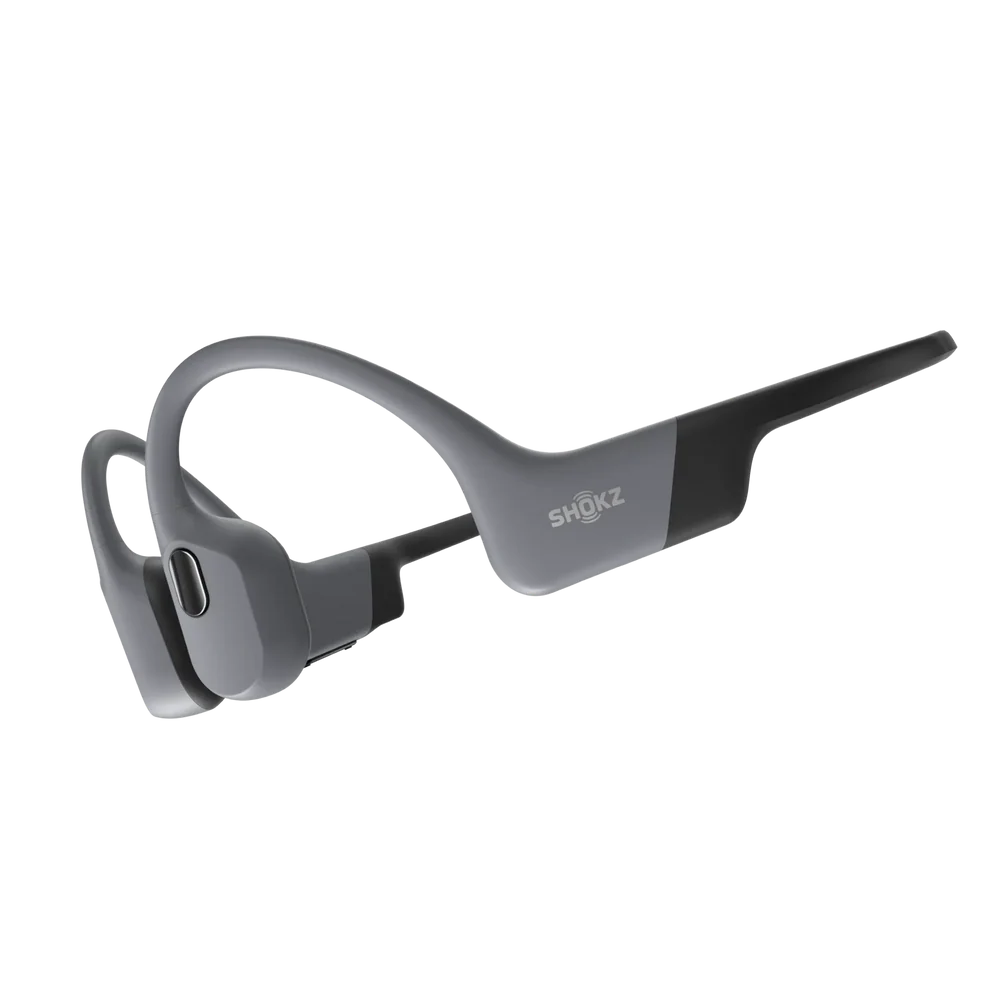
The Shokz OpenSwim Pro are bone conduction headphones with an open-ear design. That means they do not block your ear canal, but transmit sound through vibrations to the bone, leaving your ears free. On paper, the combination is very strong: IP68 waterproofing, Bluetooth 5.4, 32GB of internal MP3 memory and use designed for both water and land.
For triathlon, this is exactly where they become interesting. We are no longer talking about a gadget just for the pool or just for running, but about a device you can use in all 3 sports. That kind of versatility matters much more than it seems at first glance.
The biggest plus: one set of headphones for swimming, cycling and running
This is where the product really makes sense. In the water, you use the internal MP3 memory, because Bluetooth does not work underwater. On the bike and on the run, you can use Bluetooth and get the big advantage of the open-ear design.
In practical terms, that means less hassle and a simpler setup. For anyone who does several sports and does not want a separate device for each, the OpenSwim Pro meet a real need.
Why the open-ear design is a real advantage on the bike and on the run
On the bike, their big advantage is that your ears stay free and you can hear more of what is happening around you. They do not magically make traffic safe, nor do they make listening to music ideal from a performance or safety point of view, but they are a clearly better compromise than headphones that completely isolate your ears.
On the run, the same principle helps a lot. You can listen to music but still talk to the people you are running with. In group sessions or even in race situations, where awareness matters, keeping your ears free is one of the product’s biggest strengths.
The 32GB of internal memory really matters
One thing I really like about the OpenSwim Pro is the 32GB of internal memory. That means a lot of space for music – enough that you do not constantly have to worry about deleting tracks or choosing just a few playlists.
For swimming it is even more important, because underwater you do not rely on Bluetooth but on MP3 mode. In practice, the internal memory is not a decorative bonus but a central part of the product. Having that much space makes it much more practical than older generations or other more limited solutions.
The annoying compromise: transferring music
Here comes one of the clear downsides. You cannot load songs directly from the app. To put music on the internal memory, you have to connect the headphones to a laptop or computer with a cable.
It is not a deal-breaker, but it is not elegant either. In 2026, you expect this experience to be smoother. For anyone who changes playlists often or wants a very convenient workflow, this part feels older than the rest of the product.
Comfort: good, but not perfect
For short or moderate use, the headphones are fine. But there are two practical limitations worth stating clearly.
The first: when swimming, your cap can press uncomfortably if you pull it over your ears instead of letting it sit correctly above them. How you arrange your cap and how the headphones sit on your head makes a big difference here.
The second: after about an hour, you may start to feel pressure on your jawbone and comfort drops. That does not mean they become impossible to wear, but for longer sessions or for people who are more sensitive to contact pressure, it is a real downside.
Who they are most worth it for
The OpenSwim Pro are most worth it for:
- triathletes;
- people who frequently alternate between swimming, cycling and running;
- athletes who want better awareness of their surroundings than with classic in-ear headphones;
- people who value the open-ear idea more than complete audio isolation.
They are less worth it for:
- anyone looking for the best possible audio experience;
- anyone who wants ultra-simple music transfer straight from a phone or app;
- anyone who is very sensitive to pressure points after long sessions.
Are they worth the investment?
Yes, if you judge them correctly. They are not perfect headphones and they do not try to be. They are a very good compromise for athletes who want a single product for water and land, and who really value keeping their ears free.
For triathlon, that is exactly the idea that matters: the same pair of headphones can be useful in several real-world situations, with enough internal memory, serious water resistance and a safer profile than headphones that completely close off your ears. If you accept the comfort limits and the older music-transfer workflow, the OpenSwim Pro are a very successful product.
Note: Retailer links may be affiliate links. Prices and availability may change.