Reviews / Garmin fēnix 7 for triathlon: full review (is it worth it in 2026?)
Garmin fēnix 7 for triathlon: full review (is it worth it in 2026?)
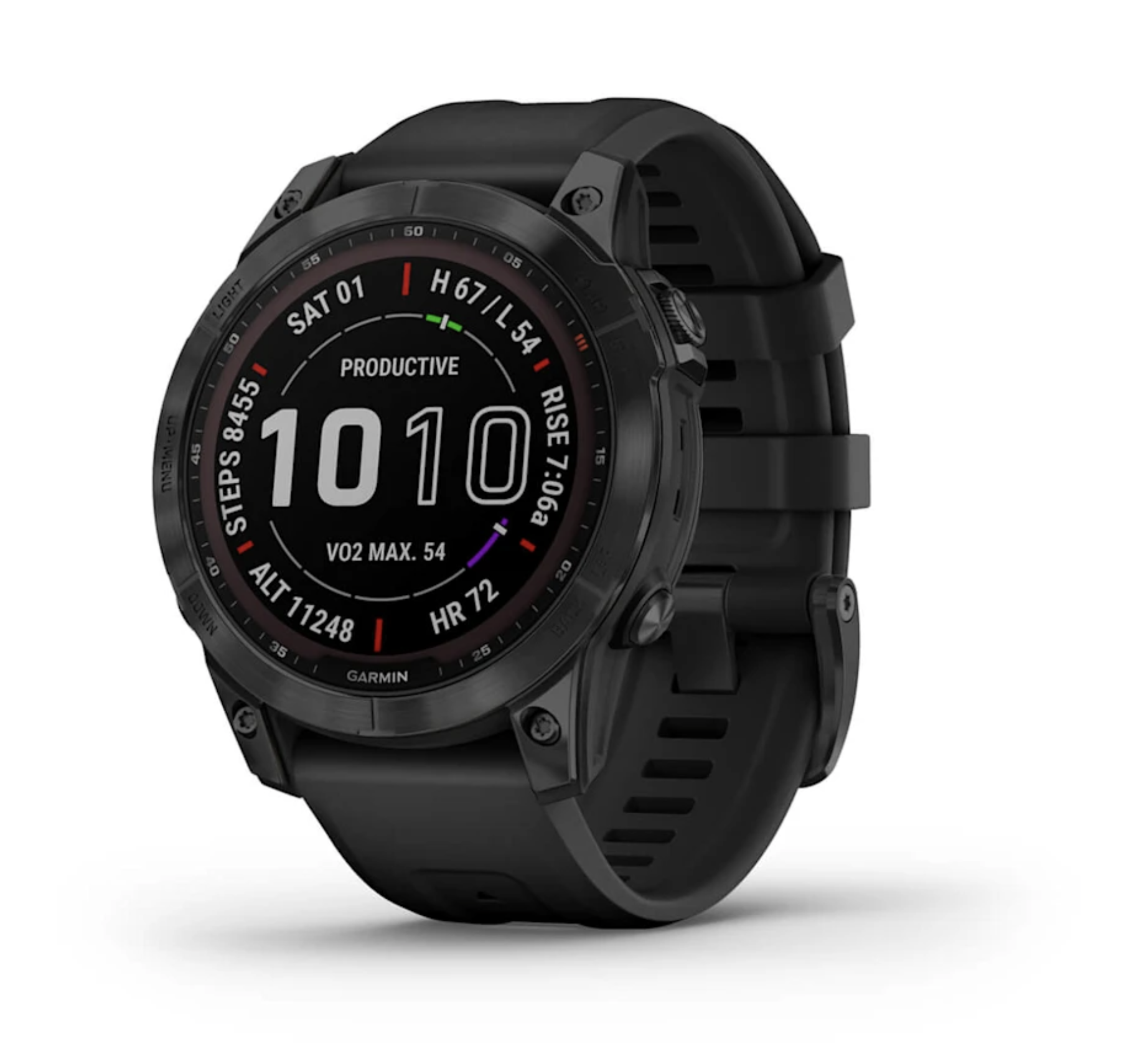
The Garmin fēnix 7 remains one of the most popular premium watches among triathletes: a triathlon profile with transitions, pool and open-water swimming, cycling with sensors, running with advanced metrics, plus maps and long battery life. In this review I tell you who it is worth it for, which version to choose and what the real downsides are.
Video (YouTube Shorts)
👍 Pros
- Complete triathlon profile with clear transitions and splits
- Long battery life (ideal for long sessions and races)
- Pool and open-water swimming with useful metrics
- Excellent sensor support: power meter, heart-rate strap, radar and more
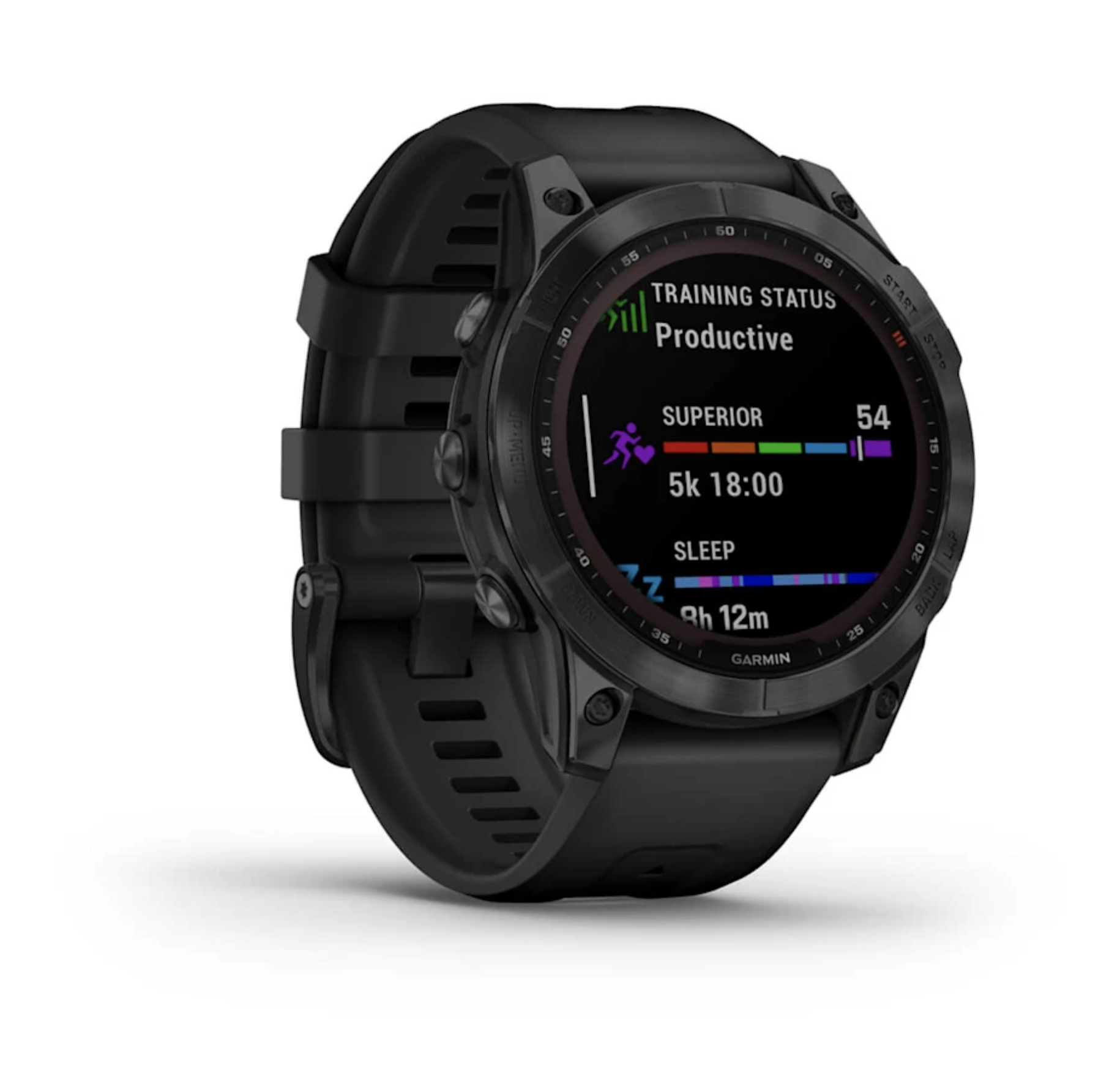
- Advanced training and recovery metrics (including HRV / readiness on many settings)
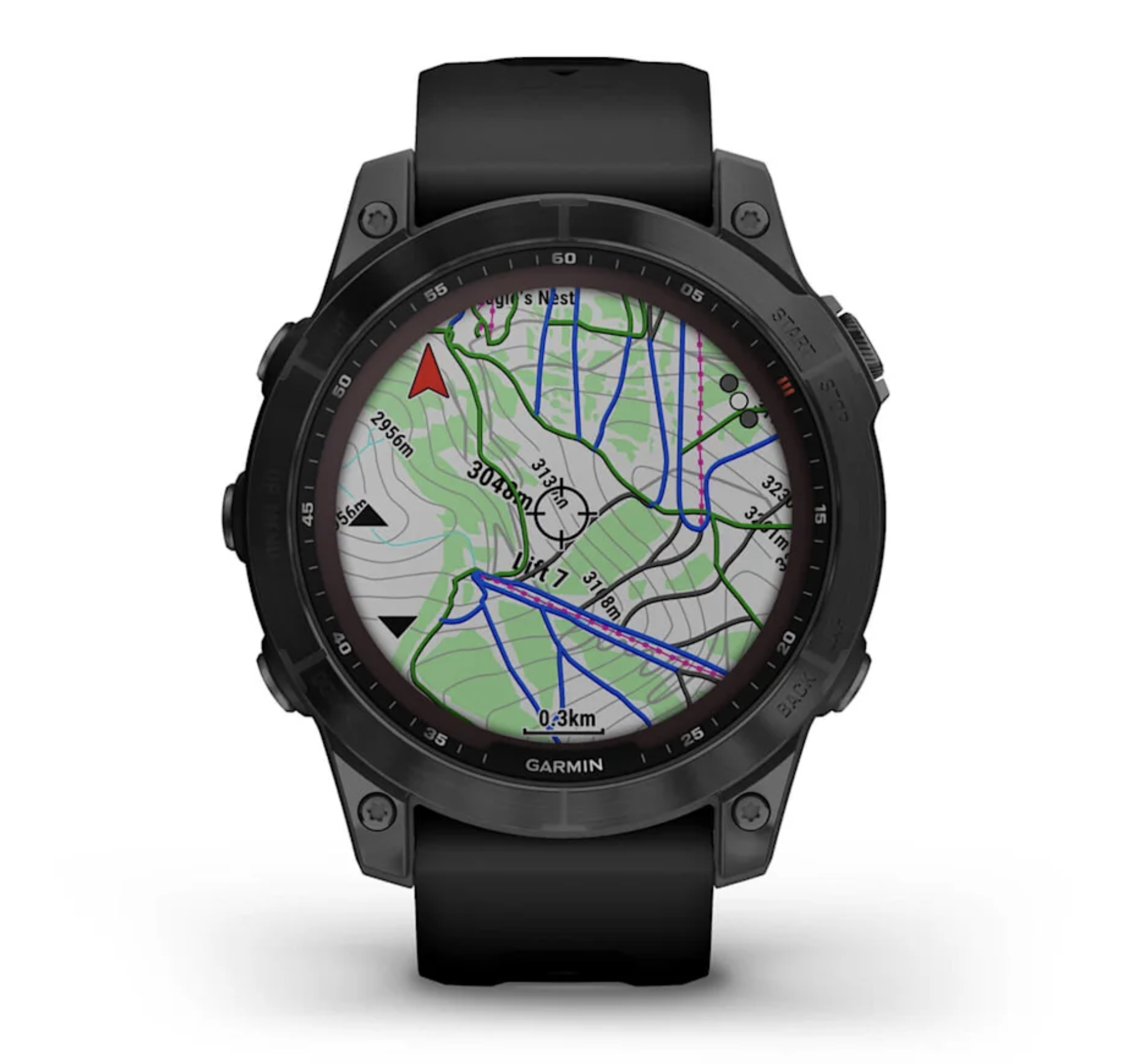
- Maps and navigation (very useful on the bike and on trails)
- Premium, durable build (sport + outdoor)
👎 Cons
- More expensive than watches aimed purely at entry/mid-level triathlon
- Bulkier and heavier than a Forerunner or other light models
- Very rich interface and settings (learning curve)
- Wrist heart-rate accuracy can vary (as with any watch) — for intervals a heart-rate strap is better
Verdict
If you want a single watch for serious triathlon plus the outdoors (maps, navigation, battery life, durability), the fēnix 7 is an extremely solid choice. It is not the “lightest” or the cheapest option, but as a complete package for swim-bike-run, everyday life and long-term training, it is hard to beat.
Gallery
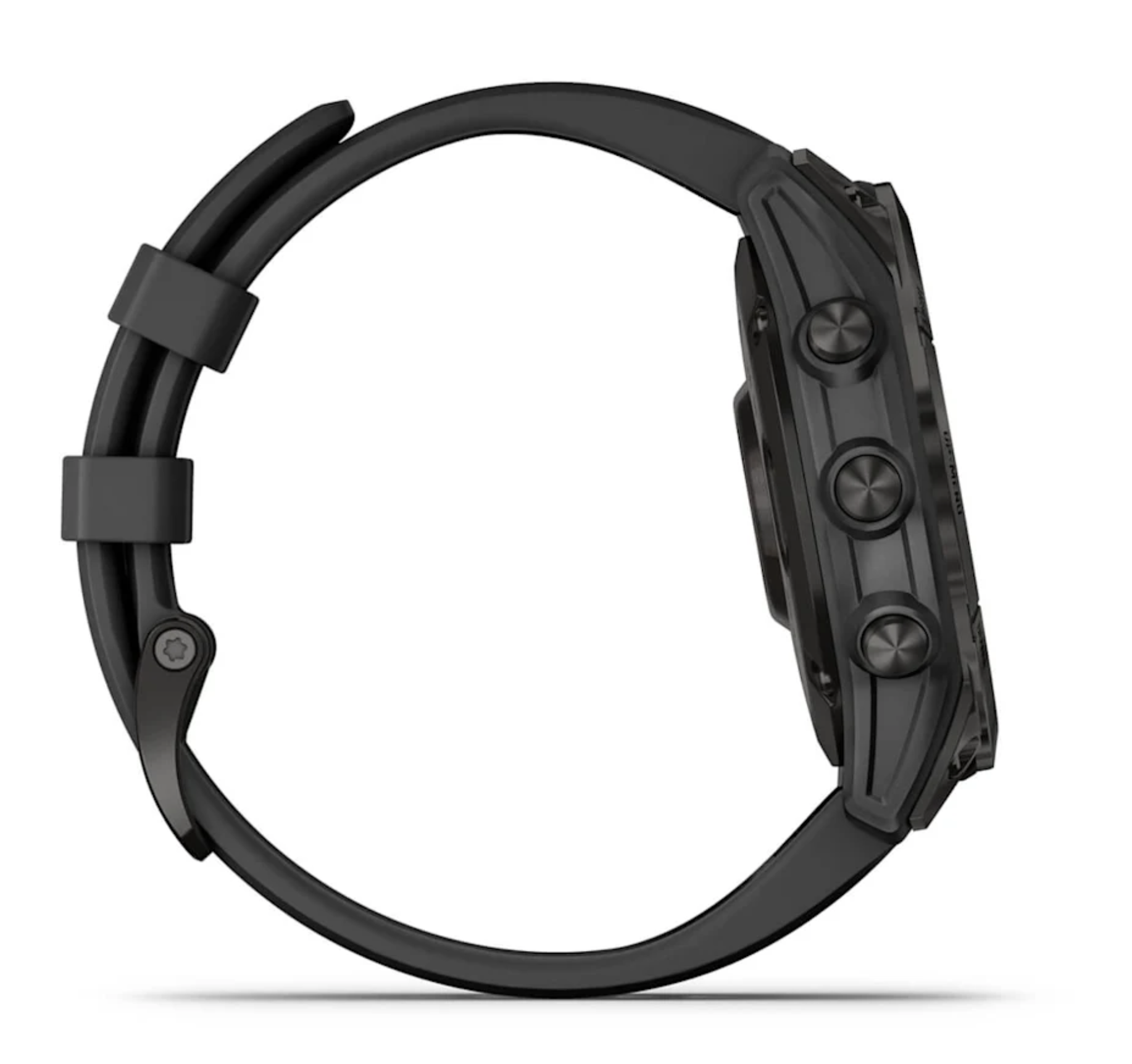
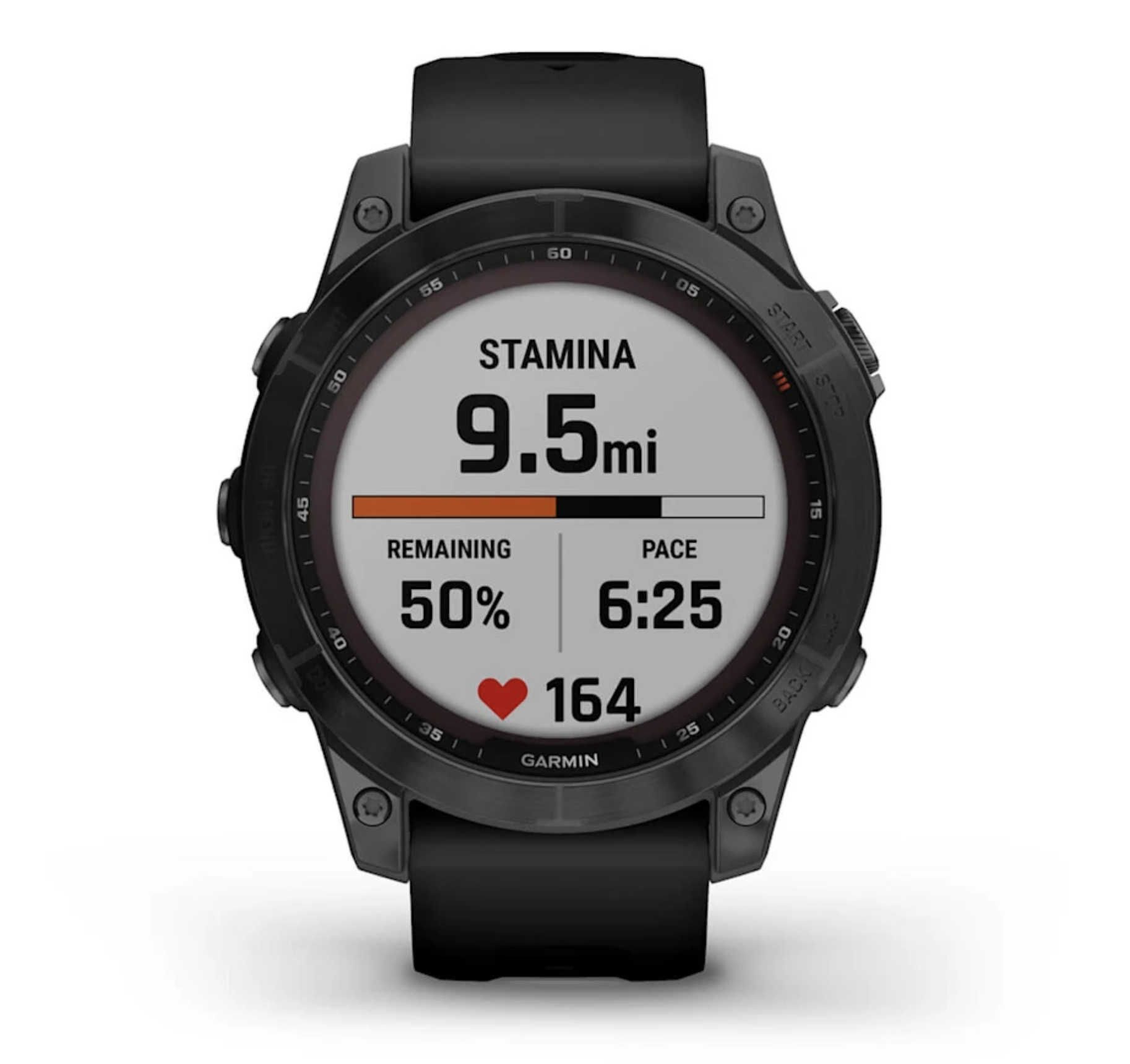
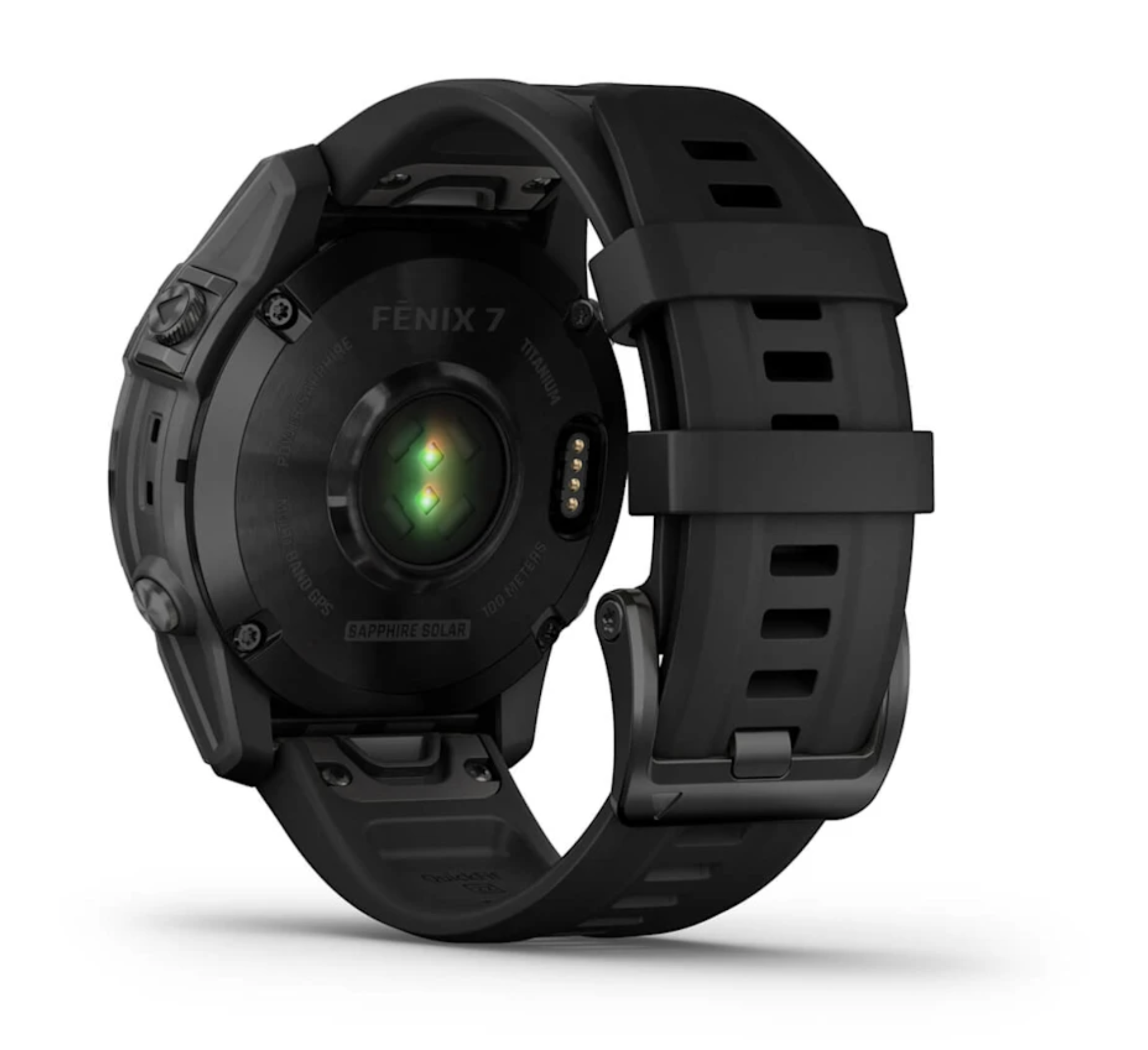
Why the fēnix 7 is so popular with triathletes
In triathlon, a good watch is not just about GPS. It means a simple race workflow (start → swim → T1 → bike → T2 → run), accurate data for each discipline and support for structured training.
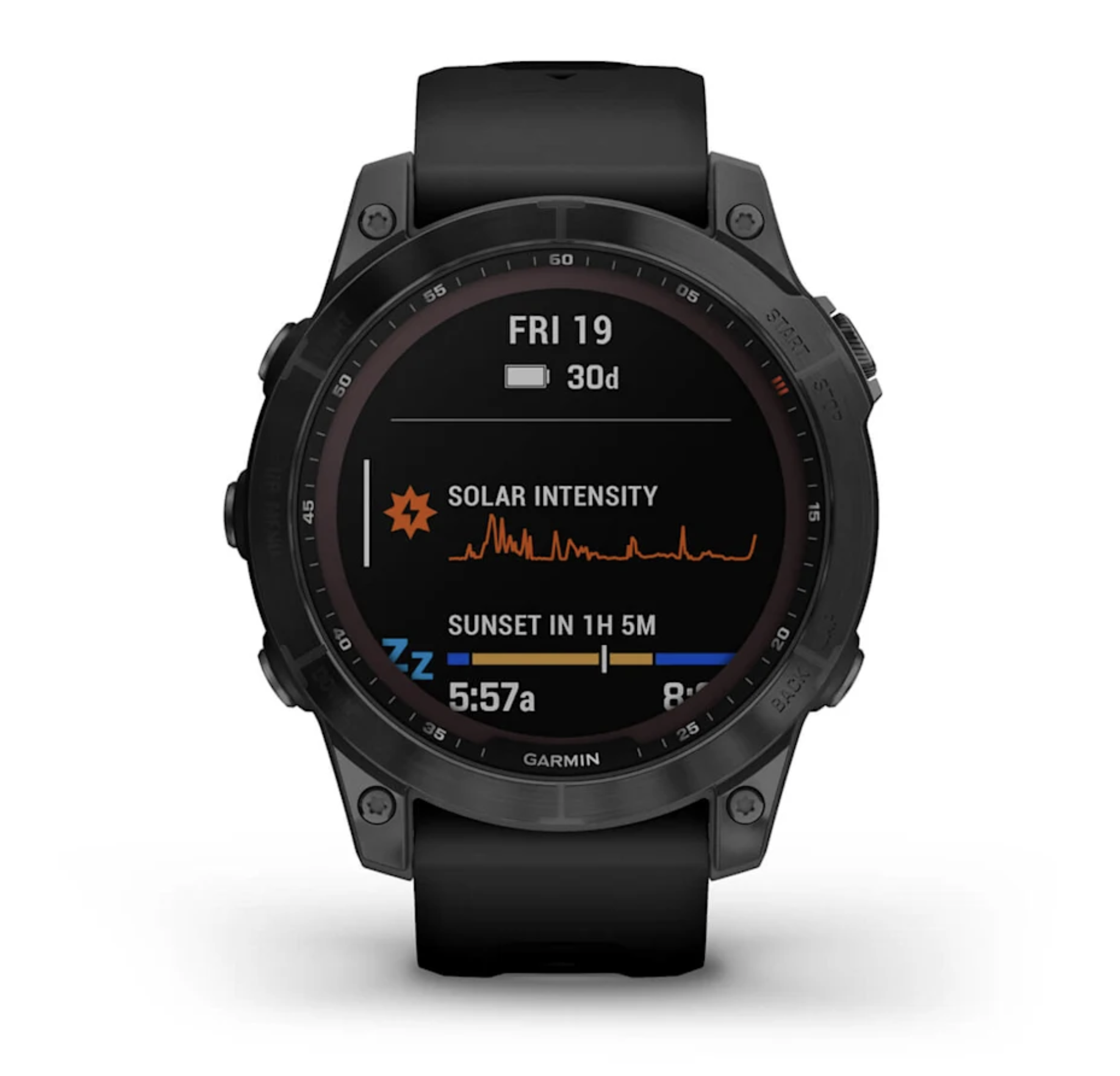
The fēnix 7 is popular because it offers a complete package: a triathlon profile with transitions, advanced metrics, very good sensor compatibility and battery life that lets you forget about the charger for several days (or even longer, depending on your settings). It is also a watch that works perfectly outside triathlon: hiking, trail, skiing, navigation and much more.
fēnix 7 versions: 7 vs 7S vs 7X, Solar, Sapphire
The fēnix 7 series comes in several versions, and the right choice depends mainly on the size of your wrist and how much you care about battery life.
• **fēnix 7S** – smaller case, more comfortable on slim wrists.
• **fēnix 7** – the middle option and the “safest” compromise.
• **fēnix 7X** – larger and usually with better battery life; good if you want a big screen and very long sessions.
**Solar / Sapphire** editions can bring extras such as greater scratch resistance and solar charging (depending on the model). If you train outdoors a lot, these editions can make sense; if you mostly run in the city and charging does not bother you, the standard version is enough.
Triathlon mode: transitions, splits and race use
In a race, you want one thing: not to think about your watch. The triathlon profile lets you move easily between disciplines and gives you clear splits.
Practical advice:
• set up simple screens (1–3 fields) for racing
• use auto lap where it makes sense (e.g. on the run)
• add the essential fields: total time, pace/power, HR, distance
For triathletes, the small details matter too: vibrations/alerts, an easy-to-read layout and buttons you can use even when you are tired or wet.
Swimming: pool and open water (what it does well and what you need to know)
The fēnix 7 has pool and open-water swim profiles, with metrics that genuinely help: distance, pace, SWOLF, stroke rate and so on. For most triathletes, it does the job very well.
Important:
• In open water, GPS accuracy depends a lot on how your hand exits the water and how “clean” your line is.
• In the pool, distance can sometimes be affected if you suddenly change stroke, stop unexpectedly or do drills without the right settings.
Common-sense tip: if you swim often, do a test over 1–2 sessions and adjust the settings (pool length, auto rest, drill logging) to get the cleanest possible data.
Cycling: sensors, power, indoor/outdoor
On the bike, the fēnix 7 really shines if you use the sensor ecosystem: heart-rate strap, power meter, cadence, speed, radar and even a smart trainer (depending on your setup).
For triathletes, a big advantage is that you can have consistent bike data whether you ride outdoors or indoors. If you do a lot of indoor riding (Zwift), a multisport watch helps you keep a complete training log in one place.
Running: metrics, structured workouts and real-world usefulness
For running, the fēnix 7 offers everything you need for daily training: pace, lap pace, HR, zones, structured workouts and intervals, plus advanced load and recovery metrics.
A simple truth: for serious intervals, a chest heart-rate strap is still gold (optical HR can lag). But for most easy runs and long runs, the data is good enough.
If you are the kind of person who wants “guided training” without carrying your phone, the fēnix 7 is very convenient: load the workout onto the watch and you are set.
Recovery and readiness: HRV, sleep, Body Battery
One of the reasons people stay with Garmin is the recovery and readiness area: trends, sleep, Body Battery and (depending on settings) HRV.
It is important to understand that these metrics are excellent as a direction (trend), not as an “absolute truth”. Used correctly, they help you avoid overload and spot signs of fatigue early.
The best way to use them: follow the trend over 2–4 weeks, not a single day.
Maps, navigation and usefulness for triathletes
This is where the fēnix 7 stands apart from many “lite” watches. Maps and navigation are gold for:
• bike routes in new areas
• trail runs
• training on holiday or while travelling
Even if your triathlon is on the road, being able to navigate without your phone and without getting lost can be a big advantage in real life.
What I would check before buying
Quick checklist:
1) **Size** – 7S/7/7X (everyday comfort matters).
2) **Battery** – if you do long sessions (long rides / trail), battery life matters a lot.
3) **Which sensors you use** – if you have a power meter, heart-rate strap or radar, you will get more out of the watch.
4) **Do you prefer light and simple?** – if you only want triathlon without maps or outdoor features, a Forerunner may be lighter.
If you want one watch for everything (triathlon + outdoor + daily), the fēnix 7 sits right in the sweet spot.
Is it worth it in 2026? (and when it is NOT)
Yes, it is worth it if:
• you do triathlon consistently (swim/bike/run)
• you want long battery life
• you want a premium “all-in-one” watch
• you use, or plan to use, sensors
It is not worth it if:
• you want the lightest possible watch for running
• you do not use maps/navigation and are not interested in the outdoor side
• you have a strict budget and are happy with an entry/mid model that covers 80–90% of the features. And it is not worth it if you want the latest generation – the Garmin fēnix 8, which has some extra features we will look at in a future article.
Note: Retailer links may be affiliate links. Prices and availability may change.